Plumber Near Me: Common Plumbing Problems
Plumbing issues usually start small and become expensive when ignored. A slow drain turns into a blocked pipe. A dripping...
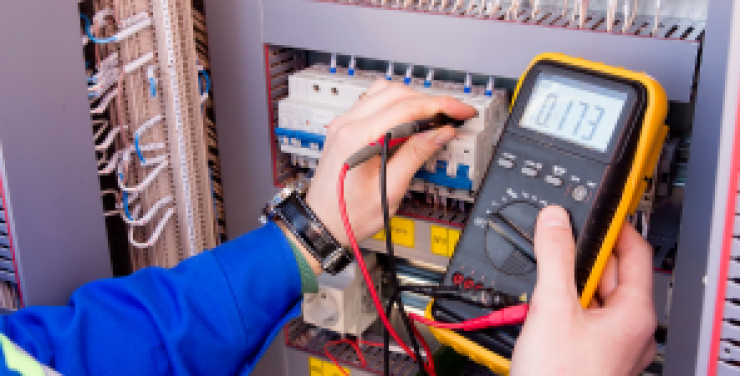
Electrical work is one of those services where “quick fixes” can become dangerous if done incorrectly. A buzzing plug point, tripping power, or flickering lights might look minor, but behind the scenes it could be faulty wiring, overload issues, or unsafe connections. The risk isn’t only financial—poor electrical work can damage appliances and, in worst cases, cause fires.
This article gives you a practical checklist to help you book an electrician safely and confidently in South Africa, whether it’s a small repair or a bigger installation.
Most home and small business electrical call-outs include:
Plug points or light switches not working
Power tripping when appliances are used
Flickering lights or dimming when something turns on
New plug points, lights, or circuit additions
Stove and geyser connections
Fault-finding and rewiring in specific areas
Installing or repairing gate motors, garage motors, and electric fences
Compliance checks and general safety inspections
Even when the job seems small, the quality of the work matters because electricity affects the whole system.
When power is off or something keeps tripping, people often hire the first available person. That’s where problems start: unqualified “electricians,” shortcut wiring, and repairs that work today but fail next week. The best way to protect yourself is to treat electrical work like a safety-critical service, not a casual handyman task.
Use these questions to quickly test professionalism and safety:
Are you qualified to do this type of work?
Electrical work should be done by someone properly trained and experienced for the specific task.
What is included in the price?
Ask what the quote covers: call-out, labour, parts, and whether the price is per hour or per job.
Will you do a proper fault-finding check first?
For tripping or flickering issues, a proper diagnosis matters more than guessing.
Will you confirm extra costs before proceeding?
Sometimes the issue is bigger than expected. A professional will explain it and get approval before adding costs.
Do you provide a guarantee on workmanship?
Even a short guarantee shows confidence and accountability.
How long will the job take and will power need to be shut off?
This helps you plan, especially if it’s a business or a home with kids.
Be cautious if:
They offer to “bypass” a problem instead of fixing it properly
They can’t explain what they’re doing in simple terms
They push for full upfront payment for small jobs
They refuse to share a quote breakdown or keep changing pricing
They recommend major replacements immediately without explanation
They rush the work and avoid testing afterwards
A reliable electrician will test the system before leaving and explain what was fixed.
Electrician costs vary, but the biggest drivers are:
Call-out fees and minimum labour charges
Time spent on diagnosis (fault-finding can take longer than the repair)
Parts required (breakers, wiring, fittings, sockets, light fixtures)
Access difficulty (ceiling work, wall chasing, distribution board work)
After-hours or urgent call-outs
Instead of searching for one fixed price, ask for a clear scope and breakdown. It protects you from surprise extras.
To speed up diagnosis and reduce time on site:
Write down exactly what happens (when it trips, what was running, how often)
Take photos of any burnt plugs, loose wiring, or damaged fittings (if safe)
Clear access around the DB board (distribution board), plug points, and affected areas
If possible, list the appliances involved when the issue occurs
Never attempt to open electrical panels yourself if you’re not trained.
BizKonnect helps you book with more confidence by allowing you to search by location, compare service listings, and communicate clearly before confirming. When expectations are clear upfront—scope, timeline, pricing structure—the job runs smoother and safer.
With electrical work, the cheapest option can become the most expensive mistake. Your goal is not only to restore power, but to ensure the repair is safe, properly tested, and unlikely to fail again. Ask the right questions, choose transparency, and book an electrician who treats safety as the priority.
Electrical issues can be risky if handled by the wrong person. This South Africa-focused guide gives you a simple electrician safety checklist, the key questions to ask before booking, and the red flags to avoid—so you can hire confidently and keep your home or business safe.
Post Your Comments