Electrician Safety Checklist: What to Ask Before You Book
Electrical work is one of those services where “quick fixes” can become dangerous if done incorrectly. A buzzing plug point,...
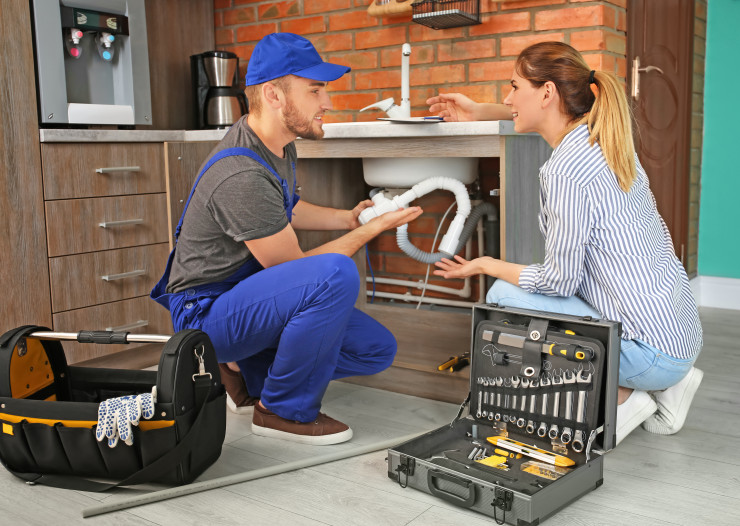
Plumbing issues usually start small and become expensive when ignored. A slow drain turns into a blocked pipe. A dripping tap becomes a swollen cabinet and water damage. The challenge is that when you’re stressed and water is involved, it’s easy to hire the first person available—sometimes at the worst price, with the worst outcome. This article helps you understand the most common plumbing problems, what usually affects cost, what to ask before booking, and the red flags that often lead to scams or poor workmanship.
1) The most common plumbing jobs homeowners book
Most plumbing call-outs fall into these categories:
Leaking taps and mixers
Often caused by worn washers, cartridges, or loose fittings. It’s usually a quick fix when diagnosed early.
Burst pipes and emergency leaks
These need immediate attention. The repair may be simple, but access (inside walls/ceilings) can increase labour.
Blocked drains and toilets
Kitchen sinks and bathroom drains often block due to grease, hair, soap buildup, or foreign objects.
Geyser (water heater) issues
Common problems include no hot water, leaking valves, or pressure issues. Some fixes are minor, while others require parts replacement.
Toilet repairs
Running toilets, weak flushing, and faulty valves are frequent and can waste a lot of water if ignored.
New installations
Kitchen sinks, basins, showers, dishwashers, washing machines, and outside taps often require new plumbing points or adjustments.
2) What typically drives plumbing costs in South Africa Plumbing pricing varies widely because every job has different complexity. Instead of focusing on a single number, understand the drivers:
Call-out fee
Some plumbers charge a call-out fee (especially after-hours). Others include it in the first hour of labour.
Labour time and complexity
A leak under the sink is different from a pipe leak inside a wall. Access is everything.
Parts and materials
Washers and connectors are cheap; cartridges, valves, and geyser components cost more.
Urgency and time of day
After-hours, weekends, and public holidays usually cost more.
Location and travel distance
If the plumber is travelling far, this may be included in the quote.
The best way to protect yourself is to request a breakdown: labour, call-out, parts, and any “possible extras.”
3) Typical pricing expectations (how to think about it)
Because prices differ by city and provider, use this approach when comparing quotes:
If one quote is dramatically cheaper than the rest, ask what’s excluded (parts, travel, call-out, follow-up visits). If one quote is dramatically higher, ask for a clear explanation and options.
4) What to ask before you book (the 6 questions that save you money)
Before confirming a plumber, ask:
What is your call-out fee and what does it cover?
Do you charge per hour or per job?
Are parts included, or charged separately?
What could cause the quote to increase?
Will you confirm extra costs before doing additional work?
Do you guarantee the repair (and for how long)?
A professional plumber won’t be offended by these questions. They’ll respect you for asking.
5) Red flags that often lead to scams or poor workmanship
Be cautious if you see any of the following:
They demand full payment upfront for a small job with no clear reason.
They refuse to provide a basic quote structure (call-out, labour, parts).
They pressure you to decide immediately or use fear tactics.
They arrive and immediately “find” multiple expensive problems without showing evidence or explaining.
They won’t put anything in writing (even a WhatsApp message with costs and scope).
They avoid sharing business details or any proof of similar work.
6) How to prepare for a plumber’s visit (so the job goes faster)
A little preparation reduces time and cost:
Take clear photos or a short video of the issue.
Note when it happens (only when tap is on, only at night, only after flushing, etc.).
Clear access under sinks and around toilets/geysers.
If it’s an emergency, know where your main water shut-off is.
7) Booking a plumber confidently on BizKonnect BizKonnect is designed to help you hire without guessing. You can search by location, view service listings, compare providers, and confirm details before booking. The goal is simple: faster response, clearer expectations, and fewer unpleasant surprises.
Final thought
A good plumbing experience is less about luck and more about structure. Be clear about the issue, ask the right questions, compare quotes properly, and avoid providers who hide details. When you choose transparency over urgency, you protect your home and your wallet.
Looking for a plumber near you in South Africa? This guide breaks down common plumbing jobs, what drives pricing, the questions to ask before booking, and the red flags to avoid—so you can hire confidently and prevent costly mistakes.
Post Your Comments